

KD Tripathi's Essentials of Medical Pharmacology, 10/E for MBBS 2nd Year Students | NMC CBME-aligned Core Pharmacology Textbook: 1
KD Tripathi's Essentials of Medical Pharmacology, 10/E for MBBS 2nd Year Students | NMC CBME-aligned Core Pharmacology Textbook: 1
Couldn't load pickup availability
 Worldwide Delivery
 30 Days Easy Return
 Secure Payment
- Author: KD Tripathi Format: Paperback


Product Description
KD Tripathi's Essentials of Medical Pharmacology, 10th Edition is the latest edition of the textbook that has shaped pharmacology learning for medical students across India and neighbouring countries for more than four decades. Revised in accordance with the NMC's Competency-Based Medical Education (CBME) Curriculum 2024, it carries a carefully balanced blend of core pharmacology, clinical application and current therapeutics across 14 Sections, with learning objectives opening every chapter. This edition is markedly more clinical than its predecessors. Core concepts are tied to practice through 118 cases for case-based learning and clinical insight boxes, so students learn not only what a drug does but when, why and how it is used. Recommendations from WHO, ACC/AHA, ISH, NICE, SIGN and GINA, together with meta-analyses and landmark clinical trials, underpin the therapeutic guidance. The presentation is built for understanding and recall: revised tables, flowcharts, line diagrams and boxes highlight essential facts, comparisons and therapeutic principles, with important abbreviations gathered into a single reference section. Dedicated AETCOM modules bring ethical, communication and professional dimensions into pharmacological learning through clinical case scenarios. What's New in This Edition: Fully aligned with the CBME Curriculum 2024: pharmacology presented against the revised NMC competencies, with learning objectives in each chapter and integrated pharmacology-related AETCOM modules. 118 cases for case-based learning: core concepts linked to clinical application through patient-based scenarios and clinical insight boxes that answer the 'why' behind a prescription. Latest drugs and therapeutic advances: GLP-1 receptor agonists, SGLT-2 inhibitors, neprilysin inhibitors, orexin antagonists, PCSK9 inhibitors, CGRP antagonists and other newer drugs. Updated treatment algorithms: for diabetes, hypertension, heart failure, tuberculosis, cardiac arrest, infertility, peripheral vascular disease and asthma among others. Evidence-based pharmacotherapy: supported by WHO, ACC/AHA, ISH, NICE, SIGN and GINA recommendations, meta-analyses and landmark clinical trials. Current National Health Programme guidelines: incorporated for tuberculosis, leprosy, HIV, malaria, kala-azar, filariasis and viral hepatitis. Expanded antimicrobial stewardship: updated to include the WHO AWaRe classification of antibiotics. Dedicated Pharmacovigilance Programme of India coverage: drug safety monitoring and rational therapeutic practice. Recent advances in therapeutics: biologics, monoclonal antibodies, newer vaccines, immunomodulators and gene and cell-based therapies, with new classifications and figures. Strengthened updates on core competencies: prescription writing, essential medicines, management of poisoning and therapeutic drug monitoring. Who This Book Is For: MBBS 2nd Year Students: the primary audience, studying Pharmacology in the second professional year under the CBME curriculum. MBBS and UG medical students: returning to pharmacology for clinical postings, university examinations and revision, across allied undergraduate medical programmes. Why This Book Helps: Teaches reasoning, not drug lists: 118 case scenarios and clinical insight boxes turn drug knowledge into prescribing decisions. Matches the curriculum you are examined on: content and chapter-level learning objectives follow the revised CBME competencies directly. Grounded in current evidence: guideline bodies and landmark trials are cited behind the therapeutic recommendations, so the guidance can be traced. Covers what Indian practice requires: national health programme guidelines, the Pharmacovigilance Programme of India and antimicrobial stewardship with the WHO AWaRe classification. Built for efficient revision: tables, flowcharts, line diagrams, boxes and a consolidated abbreviations section make the material fast to review before an examination. Extends beyond the page: the ConceptRx digital companion adds exam-ready smart notes, chapter summaries, mind maps, university PYQs and high-yield questions. Key Features: Fully aligned with the NMC CBME Curriculum 2024, with learning objectives in every chapter and integrated pharmacology-related AETCOM modules. 118 cases for case-based learning, with clinical insight boxes linking core concepts to clinical application. Evidence-based pharmacotherapy supported by WHO, ACC/AHA, ISH, NICE, SIGN and GINA recommendations, meta-analyses and landmark clinical trials. Latest drugs and therapeutic advances, including GLP-1 receptor agonists, SGLT-2 inhibitors, neprilysin inhibitors, orexin antagonists, PCSK9 inhibitors and CGRP antagonists. Updated treatment algorithms for diabetes, hypertension, heart failure, tuberculosis, cardiac arrest, infertility, peripheral vascular disease and asthma. Current National Health Programme guidelines for tuberculosis, leprosy, HIV, malaria, kala-azar, filariasis and viral hepatitis. Expanded antimicrobial stewardship content including the WHO AWaRe classification of antibiotics. Dedicated coverage of the Pharmacovigilance Programme of India, drug safety monitoring and rational therapeutic practice. Student-friendly presentation with revised tables, flowcharts, line diagrams and boxes, and important abbreviations compiled in one section. ConceptRx digital companion providing exam-ready smart notes, chapter summaries, mind maps, university PYQs and high-yield questions. Organised into 14 Sections spanning 70 chapters. Read more
Customers also viewed
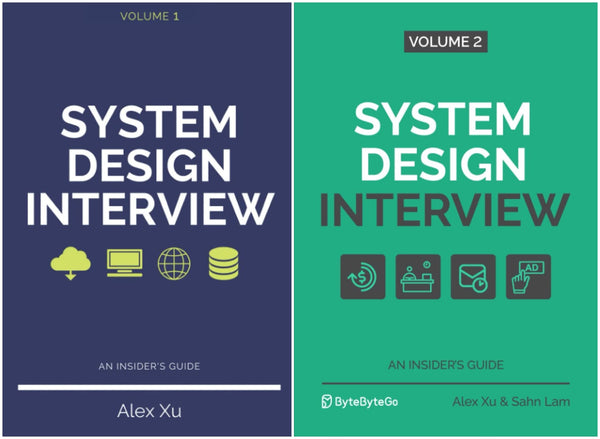
System Design Interview: An Insider’s Guide – 2 Volume Set by Alex Xu

Atomic Habits: An Easy & Proven Way to Build Good Habits & Break Bad Ones

Death: An Inside Story

The Laws of the Spirit World

Cims India Medical Reference Book for B.Pharm/M.Pharm Students and Medical Representatives

Bratva Bride (Bratva Series)

Ncert Biology Text Book for Class 11 and 12 (Set of 2 Books)

Pathoma

??? ??????????? ??????????: ??-?? ?? ???? ??? (Sant Tiruvalluvar Tirukkural: Jan-Jan Ki Bhasha Mein)

Zero to One by Peter Thiel with Blake Masters | Bestselling Book on Startups, Entrepreneurship, Innovation & Business Strategy | English Paperback

?? ??????? ?? ?????????? | Dhan Sampatti Ka Manovigyan | The Psychology Of Money (Hindi) Paperback – 25 June 2021

You are the Best Friend: A True story of falling in Love & finding inner Peace | An inspiring story by the author of You are the Best Wife

???? ????? (Nizhal Vetta//Psychological Survival Thriller//Hippy Malayali)

Xam idea Physics Class 12 – (CBSE 2026-27) | Mind Maps | Solved NCERT | Solved PYQs | MCQs, A-R, Case-based, VSA, SA, LA Questions | Solved 2026 CBSE Examination & Sample Papers

You Got This: Art of Loving Yourself | Emotional wellness | Mental health | Happiness | Self-Care | Personal growth | Mindfulness | Motivational | Positive Thinking | National Bestseller

Youth Competition Pharmacist Exam Guide 2026-27, Hindi & English Medium, 84 Sets, 7680 Objective Questions with Answer Key, RRB AIIMS-CRE ESIC NHM

Wuthering Heights by Emily Brontë: Penguin Classics | Iconic Victorian Gothic Romance | Now a Major Motion Picture Starring Margot Robbie and Jacob Elordi
![Yayati By V. S. Khandekar [paperback] V. S. Khandekar [Jan 01, 2015]](http://universalreads.com/cdn/shop/files/41uO8ncgzEL_600x600.jpg?v=1789380007)
Yayati By V. S. Khandekar [paperback] V. S. Khandekar [Jan 01, 2015]

You Were Never Meant To Read This: Return to the World of Can We Be Strangers Again
Collections
View all-
Bestselling Books Collection
Explore our top-selling books loved by readers worldwide. This collection features the...
-
Most Ordered
Explore the Most Ordered books at UniversalReads. Featuring top-rated titles across fiction,...
-
Children's Books
Discover the best Children’s Books at UniversalReads. From bedtime stories to early...
-
Arts & Photography
Discover inspiring Arts & Photography books at UniversalReads. From painting guides to...