


Lal Thanhawla: The Boy from Zarkawt, and the Making of Mizoram
Lal Thanhawla: The Boy from Zarkawt, and the Making of Mizoram
Couldn't load pickup availability
 Worldwide Delivery
 30 Days Easy Return
 Secure Payment
- Author: Sanjoy Hazarika


Product Description
About the Book A SWEEPING, AUTHORITATIVE RECORD OF THE TUMULTUOUS EVOLUTION OF MIZORAM. Mizoram, a land shaped by the heavy-handed interference of the British, forged in the shadows of AFSPA, toughened by adversity and conflict. Over several decades, this state has steered through revolutionary fervour and a high-stakes transition to arrive at a hard-won peace, followed by a challenging road to development. But how did it achieve this? Researcher, author and journalist Sanjoy Hazarika delivers the definitive account of Mizoram’s political history over the past century. At the heart of it is Lal Thanhawla, or Pu Hawla, Mizoram’s longest-serving chief minister, who has walked many a political tightrope within the state to improve the prospects of his fellow Mizos. Hazarika masterfully outlines Lal Thanhawla’s sophisticated dance of diplomacy and networking with major political stakeholders, highlighting his bold, often controversial decisions to unlock the resources needed for the young, developing region. From the battlefield to the ballot box, from Indira Gandhi and Rajiv Gandhi to Manmohan Singh and Narendra Modi, and the cut-throat rivalry between Laldenga’s Mizo National Front, the Congress and the People’s Conference, the book carefully traces Mizoram's rocky road towards peace and stability. Based on hundreds of interviews conducted over two years and through access to rare archival material, Hazarika’s Lal Thanhawla is a study of resilience, of the cost of progress, and an unflinching portrayal of the game of chess that continues to define the unique politics of the Northeast. About the Author Sanjoy Hazarika’s debut book was Bhopal: Lessons of a Tragedy (Penguin), which The Observer of London called one of the best science books of 1988. He is the author of several acclaimed books such as The Strangers of the Mist (Viking Penguin), Strangers No More (Aleph), Rites of Passage (Penguin) and Writing on the Wall (Penguin). In 2025, Speaking Tiger published his travelogue River Traveller: Journeys on the Tsangpo-Brahmaputra from Tibet to the Bay of Bengal. He has co-authored a number of books including Hope Behind Bars (Pan MacMillan) and Northeast India and Japan: Engagement Through Connectivity (Routledge). He has also contributed to several anthologies, including the Routledge Companion to Northeastern India, and has made over a dozen documentary films. The founder of the Centre for North East Studies and Policy Research (C-NES), which pioneered the unique boat clinics in Assam, he has also set up CNESPR at Jamia Millia Islamia. Hazarika reported for sixteen years for The New York Times out of South Asia and was international director of the Commonwealth Human Rights Initiative (CHRI). He has received numerous awards, including the Rotary Award for Peace Writing in 2023, and fellowships to Harvard University and Tufts University. A columnist for The Telegraph and The Tribune, he also contributes to other national and international media such as The Hindu and HIMAL magazine. Read more
Customers also viewed
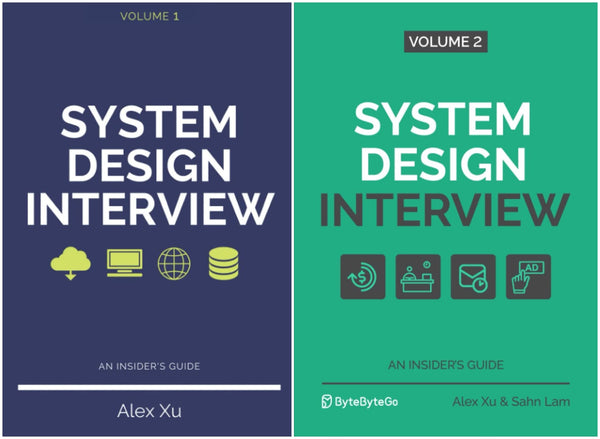
System Design Interview: An Insider’s Guide – 2 Volume Set by Alex Xu

The Mirror of Infinite Endings: The highly anticipated return to the No. 1 Sunday Times bestselling Once Upon a Broken Heart series and the epic love story of Jacks and Evangeline

Psychology (7th Edition) | Pearson | NEP 2020 Aligned | By Saundra K. Ciccarelli, J. Noland White & Girishwar Misra

Maa Amma Anadha | ?? ???? ???? | Telugu Novel by GANA

Mahaprastanam - (Telugu)

Jujutsu Kaisen Manga Box Set 2 Vol. 22-30 - Complete Collection Series 8 Books Collection Set (Jujutsu Kaisen books box set Vol 22-30) By Gege Akutami

Jujutsu Kaisen Manga Box Set (Vol. 0-30) - Complete Collection Series 31 Books Collection Set (Jujutsu Kaisen books box set Vol 0-30) By Gege Akutami

Ayodhya Cherina Krishna - Telugu Novel

Atomic Habits: An Easy & Proven Way to Build Good Habits & Break Bad Ones

Death: An Inside Story

The Laws of the Spirit World

Cims India Medical Reference Book for B.Pharm/M.Pharm Students and Medical Representatives

Bratva Bride (Bratva Series)

Ncert Biology Text Book for Class 11 and 12 (Set of 2 Books)

Pathoma

The 2-Hour Job Search, Second Edition: Using Technology to Get the Right Job Faster

The 12-Week Fitness Project (Updated for 2022 with 12 extra guidelines)

The 48 Lows Of Power + The Psychology Of Money Power Principles and Money Mindset Books Combo, Self Improvement Collection

The 13-Storey Treehouse: The laugh-out-loud adventure, full of comic book style illustrations (The Treehouse 1) (The Treehouse Series)
Collections
View all-

Bestselling Books Collection
Explore our top-selling books loved by readers worldwide. This collection features the...
-
Most Ordered
Explore the Most Ordered books at UniversalReads. Featuring top-rated titles across fiction,...
-

Children's Books
Discover the best Children’s Books at UniversalReads. From bedtime stories to early...
-

Arts & Photography
Discover inspiring Arts & Photography books at UniversalReads. From painting guides to...